RTC Clearance Online: Requirements, Appointment, Fee & Process Guide 2026
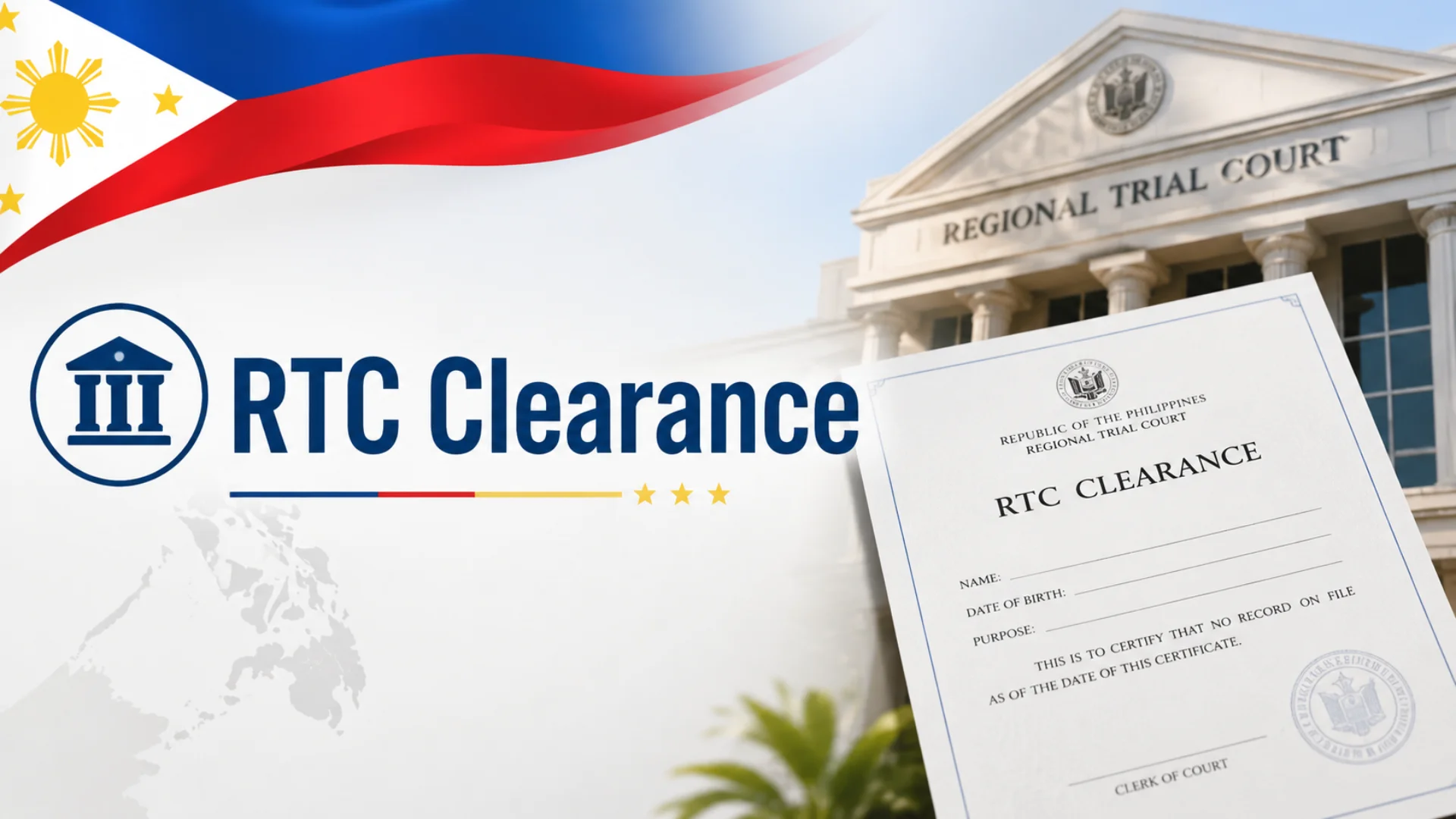
If you have ever applied for a job in the Philippines, processed an overseas work permit, or gone through visa applications, chances are you have heard about the RTC Clearance. For many Filipinos, this document appears on a requirements checklist alongside the NBI Clearance and Police Clearance, yet very few people fully understand what it is, why it is needed, or how to get it online.
The good news is that obtaining an RTC Clearance Online in the Philippines is now faster and more accessible than ever before, thanks to digital appointment systems, the eCourt portal, and electronic payment platforms. Whether you are a first-time applicant or someone renewing an expired clearance, this complete guide will walk you through every step of the process.
What Is an RTC Clearance in the Philippines?
RTC stands for Regional Trial Court. An RTC clearance is an official legal document issued by the Office of the Clerk of Court of a Regional Trial Court, certifying that the applicant has no pending criminal or civil cases filed within the jurisdiction of that specific court. In simple terms, it is a court-level background check. While the NBI Clearance covers national criminal records and the Police Clearance focuses on local police records, the RTC Clearance is court-specific.
The Regional Trial Court is the highest level of trial court in the Philippine judiciary. It handles serious criminal and civil cases that exceed the jurisdiction of lower courts, such as the Municipal Trial Courts (MTCs). Cases handled by the RTC typically include serious offenses like murder, large-scale drug cases, rape, large-scale swindling, and civil disputes involving significant financial amounts.
Why Is RTC Clearance Important & Uses of RTC Clearance
The RTC clearance is not just a bureaucratic formality. It serves as a legally valid certification of your good standing within the court system and is widely required across different life situations in the Philippines.
1: Employment Applications
Many employers, particularly government offices, security-sensitive industries, and multinational companies, require an RTC clearance as part of their hiring process. It assures employers that the applicant does not have any ongoing criminal litigation that could pose a risk in the workplace.
2: Overseas Filipino Workers (OFWs)
For Filipinos working or planning to work abroad, the RTC Clearance is often a mandatory document under OWWA (Overseas Workers Welfare Administration) and POEA (Philippine Overseas Employment Administration) requirements. Embassies and foreign employers treat it as important evidence of good moral character.
3: Business Licensing and Permits
If you are applying for a business permit or license, some government agencies and local government units require an RTC clearance to verify that the business owner or operator is not involved in any pending criminal proceedings.
4: Visa Applications
When applying for a visa to another country, embassies often request a clearance from local courts, particularly if the applicant has a history with the judicial system or if the destination country has strict background check policies.
5: Firearm License Applications
Under Republic Act No. 10591, applicants for a firearm license in the Philippines are required to present an RTC clearance as part of the documentation. This ensures that firearms are not issued to individuals with active criminal cases.
6: Adoption Proceedings
Prospective adoptive parents are required to submit court clearances, including an RTC clearance, as part of the comprehensive background investigation conducted by the Department of Social Welfare and Development (DSWD).
7: Other Legal Purposes
The clearance is also used for name change petitions, annulment proceedings, property transactions, government pension applications, and various other situations where proof of good legal standing is required.
Who Can Apply for RTC Clearance in the Philippines?
- Filipino citizens
- Overseas Filipino Workers (OFWs)
- Permanent residents
- Foreign nationals legally residing in the Philippines
- Individuals required to present proof of court records status
Applicants must provide valid identification and supporting documents during the application process.
Requirements Of RTC Clearance Online Philippines
Before going to the Regional Trial Court, whether in person or through an online appointment system, you need to prepare the following documents:
- Valid Government-Issued ID (original and photocopy) Accepted IDs include the Philippine Passport, Driver’s License, SSS/GSIS ID, UMID Card, PhilHealth ID, Voter’s ID, Senior Citizen ID, or the PhilSys National ID (ePhilID).
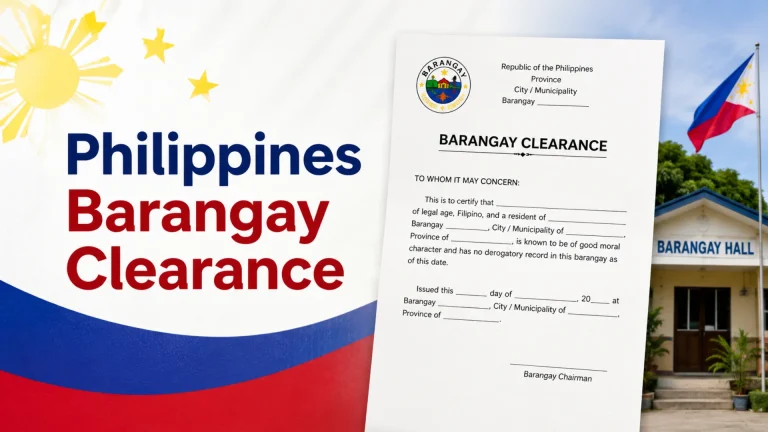
- Barangay Clearance This must be obtained from the barangay where you currently reside. It certifies that you are a known resident of that barangay and have no derogatory records at the local level.
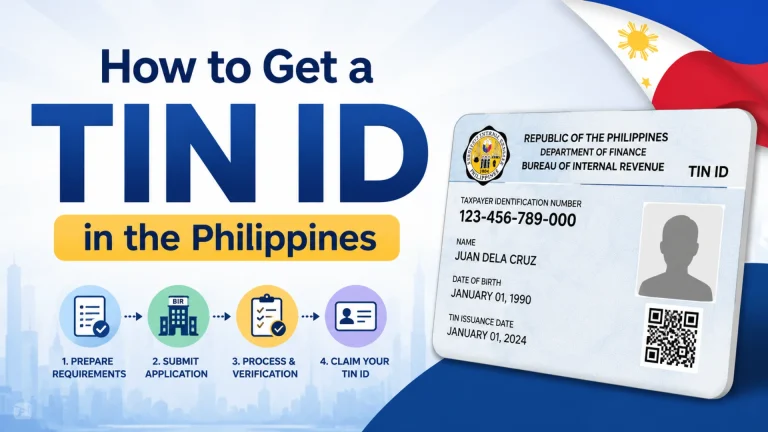
- Community Tax Certificate (Cedula) The cedula is obtained from your local municipal or city hall and is a standard requirement for most government transactions.
- 2×2 Photo (recent) Some RTC branches require one or two recent 2×2 photos with a white background.
- Documentary Stamp Tax (Doc Stamp) A documentary stamp is a small legal tax paid to validate your court clearance document. This is usually available at the court itself or at nearby authorized sellers.
- Accomplished Application Form The application form is typically provided by the Office of the Clerk of Court (OCC). If the RTC branch supports online registration, a digital version of this form may be available on their website.
Additional Requirements (Situational)
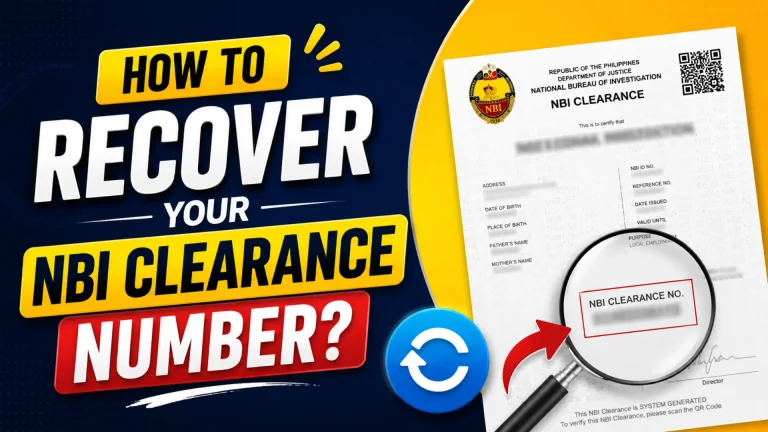
- For OFW applicants: Police Clearance or NBI Clearance may be required as a supporting document.
- For applicants with a known case history: Additional court records or case documents may be needed.
- For authorized representatives: A Special Power of Attorney (SPA) along with valid IDs of both the applicant and the representative are required if you cannot appear in person.
How to Apply for RTC Clearance Online in the Philippines
While not all Regional Trial Courts in the Philippines have a fully online processing system, many now support online appointment scheduling, digital form submission, and electronic payment through the Judiciary ePayment System (JEPAY) and the eCourt portal. Here is the complete process.
Step 1: Identify the Correct RTC Branch
The RTC clearance must be obtained from the Regional Trial Court that has jurisdiction over your area of residence, not just any RTC. You can identify the correct branch by:
- Visiting the Supreme Court of the Philippines eCourt Portal (sc.judiciary.gov.ph)
- Calling the Hall of Justice in your city or municipality
- Checking the Judiciary ePayment System (JEPAY) for your region
Step 2: Visit the Official Website or Email the Branch
Go to the official website of the specific RTC branch. If online registration is available, you will find a portal link for court clearance online registration. Some branches that do not have a dedicated web portal allow document submission via email. Always verify current contact information directly from the Supreme Court website, as information changes frequently.
Step 3: Prepare and Submit Your Documents
Gather all required documents as listed above. If the branch supports online pre-registration:
- Fill out the digital application form completely and accurately
- Upload scanned or photographed copies of your valid ID, Cedula, and Barangay Clearance
- Double-check all personal details (full name, date of birth, address) to avoid delays
Step 4: Set an Appointment
Choose an available date and time for your court visit. Even if you pre-submit documents online, most RTC branches still require an in-person visit for identity verification and document authentication. Arrive early on your appointment day to avoid long queues.
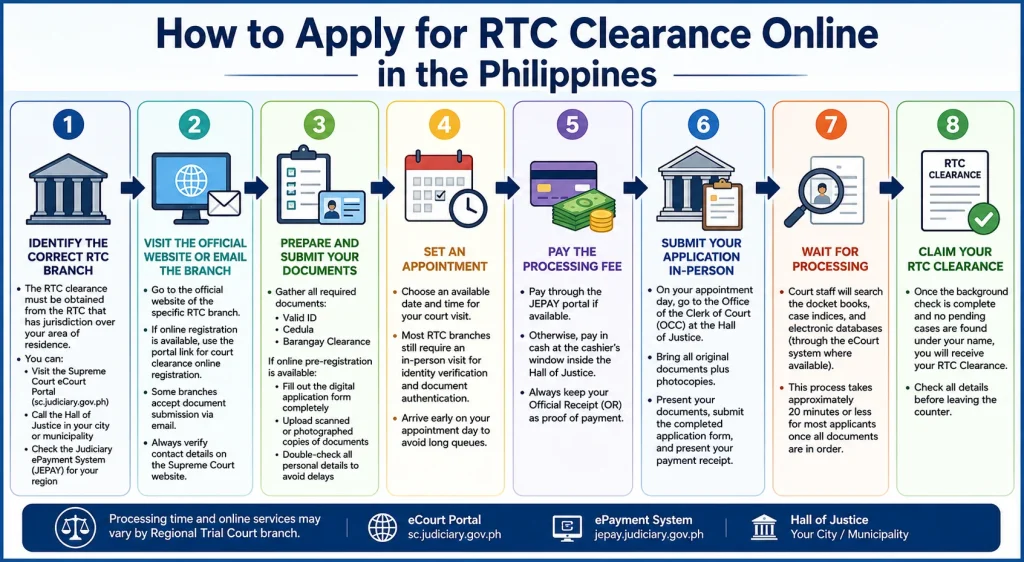
Step 5: Pay the Processing Fee
Fees can often be paid through the JEPAY portal for courts that support it. Otherwise, payment is made in cash at the cashier’s window inside the Hall of Justice. Always keep your Official Receipt (OR) as proof of payment.
Step 6: Submit Your Application In-Person
On your appointment day, go to the Office of the Clerk of Court (OCC) at the Hall of Justice. Bring all original documents plus photocopies. Present your documents to the clerk, submit the completed application form, and present your payment receipt.
Step 7: Wait for Processing
Court staff will search the docket books, case indices, and electronic databases (through the eCourt system where available) to check for any pending cases filed under your name. This process takes approximately 20 minutes or less for most applicants once all documents are in order.
Step 8: Claim Your RTC Clearance
Once the background check is complete and no pending cases are found, your RTC clearance will be printed, signed, and stamped with the official court seal. You will receive the document on the same day in most cases.
RTC Clearance Fee in the Philippines
The processing fee for RTC clearance varies by court location. Based on current information:
| Fee Type | Amount |
|---|---|
| Filing/Processing Fee | ₱50 – ₱300 (depends on the RTC branch) |
| Documentary Stamp Tax | Approximately ₱30 |
| Total Typical Cost | ₱100 – ₱300 |
Some branches may charge slightly higher fees. It is always best to check with the specific RTC branch or the Hall of Justice in your area before visiting, as fee schedules are subject to change.
Most RTCs accept cash payments at the cashier’s window. Select branches now support cashless payments through the JEPAY system.
RTC Clearance Validity Period in the Philippines
The validity of an RTC clearance varies depending on the location:
| RTC Branch / Rule | Validity Period |
|---|---|
| Quezon City RTC | 1 month from the date of issue |
| Parañaque RTC | 3 months from the date of issue |
| General Rule (Most RTC Branches) | 1 to 6 months from the date of issue |
Because the validity period is relatively short, it is important to apply for RTC clearance close to the date when you actually need it, rather than months in advance. Always check the validity period stated on your specific clearance and confirm with the requesting organization what they require.
RTC Clearance Application Form Sample
How to Renew an RTC Clearance in the Philippines
- Renewing an expired RTC clearance follows the same steps as a new application.
- There is no shortcut renewal process. You will need to submit all the same requirements again and pay the same fees.
- Since validity periods are short (1 to 3 months in most locations), plan your application timeline carefully to ensure the clearance remains valid when submitted to your employer, embassy, or government agency.
RTC Clearance Online Appointment (Is It Real?)
Some regional trial courts have adopted digital services that allow applicants to
- Book appointments online
- Download application forms
- Submit inquiries through email
- Access court announcements
- View office schedules and requirements
However, many RTC branches still require applicants to visit the court personally to file their application, submit documents, pay the required fees, and claim their clearance.
How to Check if Your RTC Offers Online Appointments
Before visiting a regional trial court, follow these steps:
- Visit the official website or official Facebook page of the RTC serving your area.
- Check whether online appointment booking is available.
- Review the list of documentary requirements.
- Confirm the office hours and processing schedule.
- Contact the court by phone or email if appointment information is unavailable online.
Beware of Fake RTC Clearance Websites
Many unofficial websites claim to offer instant RTC clearance online appointment services. Applicants should be cautious because these websites may charge unnecessary fees or collect personal information without authorization.
To protect yourself:
- Use only official Philippine judiciary or court websites.
- Never share personal information on unknown websites.
- Verify payment instructions directly with the court.
- Avoid third-party agents promising “guaranteed” RTC clearance.
RTC Clearance Online Appointment Tacloban City
If you need an RTC clearance in Tacloban City, there is currently no verified online appointment portal specifically for the Tacloban RTC. Most Regional Trial Courts in the Philippines still process RTC clearance requests through the Office of the Clerk of Court, either by walk-in application or by contacting the court directly for instructions.
Contact Before Visiting
Some Tacloban RTC branches publish official contact details through the judiciary:
- RTC Branch 34: Email [email protected], Contact No. 0942-338-8915.
- RTC Branch 46: Email [email protected], Contact No. 0992-259-2344.
RTC Clearance vs. NBI Clearance vs. Police Clearance
One of the most common sources of confusion is understanding the difference between these three documents. Here is a clear comparison:
| Document | Issued By | Coverage |
|---|---|---|
| NBI Clearance | National Bureau of Investigation | National criminal records across the Philippines |
| Police Clearance | Philippine National Police (local station) | Local police blotter records |
| RTC Clearance | Office of the Clerk of Court (RTC) | Pending/decided cases in a specific Regional Trial Court |
What About MTC Clearance and Prosecutor’s Clearance?
There are actually three types of court-level clearances in the Philippines:
- MTC Clearance (Municipal Trial Court): Covers lighter offenses such as unjust vexation, minor theft, and other low-level misdemeanors in a specific municipality.
- RTC Clearance (Regional Trial Court): Covers serious offenses within a regional jurisdiction.
- Prosecutor’s Clearance (Fiscal Clearance): Issued by the City Prosecutor’s Office. This proves you have no cases undergoing preliminary investigation, meaning cases that have not yet reached the court level.
Common Reasons for RTC Clearance Application Delays
Understanding common issues can help applicants avoid problems.
- Incomplete Requirements: Missing documents frequently cause processing delays.
- Incorrect Personal Information: Errors in names, dates of birth, or identification numbers may require corrections.
- Unclear Document Uploads: Low-quality scans can lead to rejection or requests for resubmission.
- Missed Appointments: Failure to attend scheduled appointments may delay processing.
- Outstanding Legal Issues: Pending court records may require additional review.
Tips for a Smooth RTC Clearance Application
- Verify the correct branch first. Many applicants waste time by going to the wrong RTC. Always confirm which branch has jurisdiction over your residence before visiting.
- Bring more documents than necessary. Requirements can sometimes differ between branches. Carry extra copies of all your IDs and documents to avoid being sent home to gather more paperwork.
- Go early in the morning. Hall of Justice offices typically operate from 8:00 AM to 4:00 PM, Monday to Friday, excluding public holidays. Arriving early means shorter queues and faster processing.
- Double-check personal information. Any discrepancy between your name, date of birth, or address across your submitted documents can cause delays or outright rejection of your application.
- Keep all receipts. Your official receipt from the cashier is part of your application and is required to claim the clearance. Do not misplace it.
- Check validity requirements in advance. Before applying, confirm with your employer, embassy, or government agency what validity period they require. This prevents the frustration of submitting a clearance that expires too soon.
Future of RTC Clearance Services in the Philippines
The Philippine judiciary continues to modernize public services through digital transformation initiatives. Future improvements may include:
- Expanded online filing systems
- Faster verification technologies
- Digital document delivery
- Integrated government databases
- Enhanced online payment solutions
These developments aim to provide more efficient and accessible services for citizens nationwide.
FAQs About RTC Clearance Online in the Philippines
Conclusion
Obtaining an RTC Clearance Online in the Philippines is easier today thanks to digital appointments and improved court services, although procedures still vary by regional trial court. By preparing the required documents, verifying your local RTC’s process, and using only official judiciary channels, you can avoid delays and complete your application smoothly. Always apply close to your intended use, as validity periods differ among RTC branches.